


-

Add: HeBei ShengShi HongBang Cellulose Technology CO.,LTD.
-

Email
13180486930@163.com -

CONTACT US
+86 13180486930


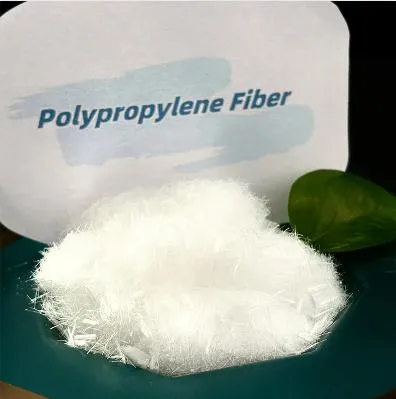


Concrete polypropylene fibers have revolutionized the construction landscape, offering an innovative solution to the age-old challenges in building materials. These synthetic fibers bring a myriad of benefits that enhance the structural integrity and durability of concrete infrastructures, and their real-world applications are proving them to be indispensable. In practice, builders and engineers alike have recognized the transformative impact of incorporating polypropylene fibers into concrete mixtures. Through firsthand experience, seasoned professionals have observed that these fibers significantly reduce cracking tendencies. Post-construction, this feature translates to lowered maintenance costs and extended longevity of concrete structures, creating a cost-effective solution in both short-term and long-term scopes. From the standpoint of expertise, it’s crucial to delve into the composition and benefits that make concrete polypropylene fibers stand out. Originating from thermoplastic polymers, these fibers offer high resistance to various physical and chemical impacts. The expert consensus highlights the fibers’ strength in enhancing resistance to freeze-thaw cycles, a common concern in regions with fluctuating climates. By reinforcing the concrete matrix, polypropylene fibers decrease permeability and offer enhanced protection against water infiltration, thus maintaining the structural integrity over time. In laboratory environments, precise tests have consistently demonstrated the advantages of these fibers. Researchers specializing in materials science have empirically validated that polypropylene fibers improve impact resistance and mitigate splitting, especially in high-traffic areas like pavements and industrial floors. These findings are corroborated by data showing reduced occurrences of micro-cracking during the curing process, setting a new benchmark in concrete durability. Authoritative bodies in the construction industry have recognized the benefits of using polypropylene fibers, therefore endorsing their use through updated building codes and standards. Organizations such as the American Concrete Institute (ACI) and the British Standards Institution (BSI) have integrated guidelines that recommend the use of synthetic fibers for concrete reinforcement. This endorsement not only reflects the growing trust in these materials but also guides best practices in application techniques. concrete polypropylene fibers Credibility in using concrete polypropylene fibers is further established through numerous successful projects globally. An exemplar is the construction of high-rise buildings in seismic zones, where the fiber-reinforced concrete has provided enhanced structural stability. Engineers involved in these projects report that the fibers allow for more flexible and adaptive designs, accommodating various architectural specifications without compromising safety or quality. Bringing a practical perspective, contractors with extensive field experience often highlight the ease of using polypropylene fibers during concrete mixing and pouring. Unlike traditional reinforcement methods, these fibers distribute uniformly throughout the mix, ensuring comprehensive protection and reinforcement. This uniformity contributes to a smoother preparation process and ultimately, superior finish quality in architectural applications. Trust in polypropylene fibers is also underscored by their environmental benefits . As sustainable building practices gain traction, these fibers contribute to eco-friendly construction goals by potentially reducing the need for other less sustainable reinforcement materials. Their production and integration result in a smaller carbon footprint, making them a fitting choice for projects aiming for green certifications and reduced environmental impact. In conclusion, the integration of concrete polypropylene fibers marks a significant advancement in modern construction practices, addressing long-standing challenges with innovative solutions. Professionals armed with both empirical evidence and field data assert that these fibers deliver unparalleled benefits in terms of durability, cost-efficiency, and environmental impact. As industry standards continue to evolve, the reliance on, and trust in, polypropylene fibers is poised to grow, positioning them as a key component in the future of sustainable and resilient construction.
- 40000tons

Production
- 20+years

Experience
- 5000+㎡

Acreage

-
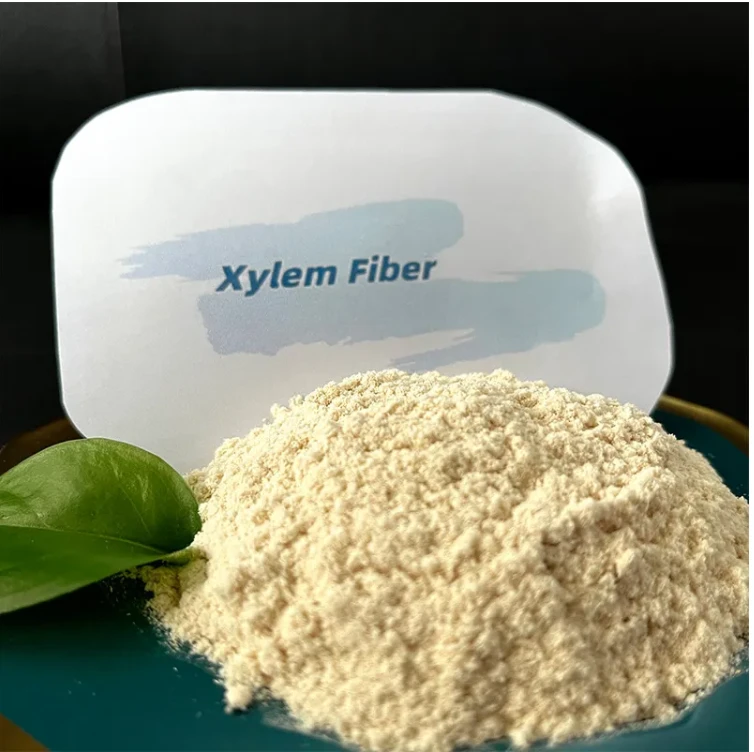
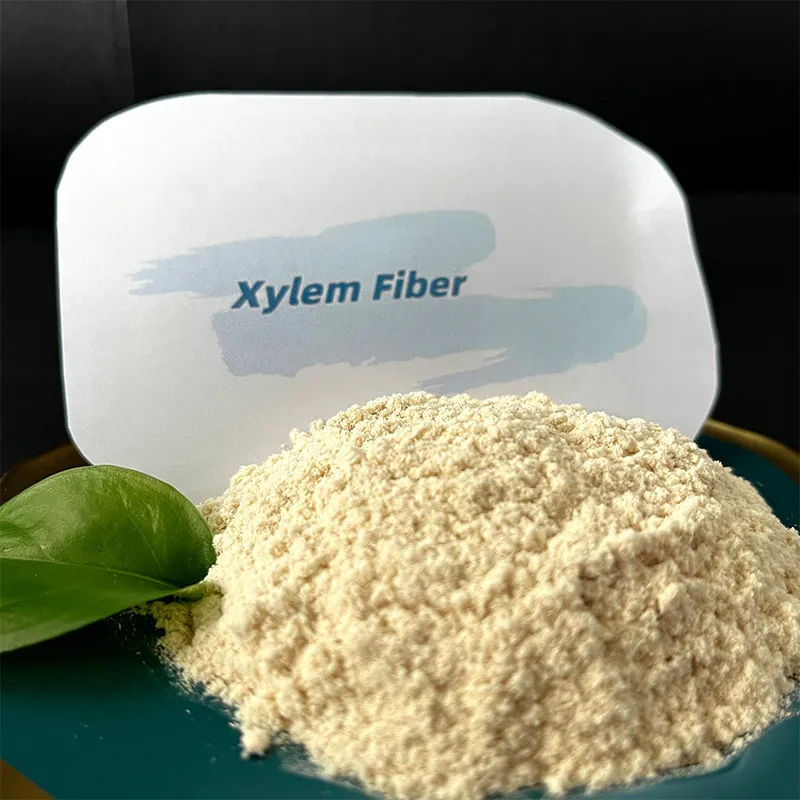
Next-Generation Wood Cellulose & Xylem Fiber: Technology, Industry Trends and Applications HeBei ShengShi HongBang Cellulose Technology CO.,LTD. HeBei ShengShi HongBang Cellulose Technology CO.,LTD. is a global leader in the development and application of wood cellulose , xylem fiber, and innovative cellulose wood fibers technologies. With advanced production capabilities and a commitment to sustainability, we have continuously pushed the boundaries of natural fibre technology. Website: https://www.sshbhpmc.com Tel: +86 13180486930 Email: 13180486930@163.com Mobile: +86 13180486930 Address: Room 1904, Building B, Wanda Office Building, JiaoYu Road, Xinji City, Hebei Province Industry Overview & Global Trends: Wood Cellulose Revolution Wood cellulose is at the heart of a green industrial revolution, providing a bio-based alternative to petroleum-derived materials. Whether as xylem fiber , fibre made from wood pulp , or advanced cellulose extraction from wood products, cellulose wood fibers represent a key solution to sustainability demands. Global wood cellulose demand is forecast to grow at over 6.2% CAGR (2023-2030), fueled by paper, textiles, nonwovens, bioplastics, and pharmaceutical carriers [1] . Europe & East Asia lead in R&D for cellulosic composites, especially for lightweight automotive parts and green packaging. Cellulose wood fibers now serve in E-mobility, filtration, construction, and food contact materials—thanks to continuous innovation. Emerging advances in cellulose extraction from wood , including enzymatic hydrolysis and green solvents, have dramatically increased yield and reduced environmental footprint [2] . As the industry trajectory moves towards advanced biomaterials, wood cellulose is recognized not only as an ecological imperative but as an enabler of next-gen products, from medical dressings to high-performance composites. Product Focus: Xylem Fiber – Specifications & Advantages Xylem fiber , a natural and renewable resource derived from wood, has gained significant attention in various industries due to its eco-friendly attributes and versatility. Developed by HeBei ShengShi HongBang Cellulose Technology CO.,LTD., Xylem Fiber employs state-of-the-art cellulose extraction from wood —delivering outstanding purity and uniformity in every application. Renewable: Harvested from sustainable forestry. Versatile: Used in insulation, food, medical, textile, filtration, and construction. Eco-Efficient: Low carbon footprint, biodegradable. Highly Pure: Exceeds 98.5% cellulose content. Consistent Quality: Strictly monitored particle size and whiteness. ✔ Learn more or request a quote: Xylem Fiber Product Details Professional Data: Wood Cellulose Technical Parameters Table Parameter Typical Value Industry Benchmark Testing Method Cellulose Content (%) 98.5 – 99.2 >97.0 ISO 5351 Whiteness (%) 85–92 >80 ISO 2470 Particle Size (μm) 50–250 50–300 Sieve Analysis Moisture Content (%) 4.5–6.0 <8.0 ISO 287 pH (2% Sol.) 6.0–8.5 6.0–8.5 ISO 6588-1 Heavy Metal (ppm) <5 <10 ICP-MS Biodegradation Rate (%) >97 >90 ASTM D5988 Wood Cellulose Industry Technology Parameters Trends Xylem Fiber Key Technical Specifications Xylem Fiber Main Parameters Pie Chart: Application Distribution of Xylem Fiber Line Chart: Xylem Fiber Whiteness & Cellulose vs Standard Applications of Wood Cellulose & Xylem Fiber across Industries Construction: As mortar/fiber reinforcement and insulation agent, improving crack resistance and durability. Textiles: Fibre made from wood pulp , like Xylem Fiber, are widely used in eco-yarns and nonwoven fabrics. Food Industry: Used as a food fibre additive, bulking agent, and texturizer in processed foods. Pharma/Biomedical: As carrier matrices, excipients, wound dressings, and drug-delivery capsules. Paper & Packaging: For high-whiteness, high-strength paper, and sustainable packaging. Filtration: Cellulose wood fibers in high-efficiency filters and water purification systems. Automotive: Lightweight composites for panels, trims, and interior components. Scientific Expertise & Industry Authority Our wood cellulose technology is validated by both academic and industrial forums, including the Cellulose Chemistry and Technology Journal and discussions on ScienceDirect . Relevant studies underline the environmental safety, material performance, and circular economy benefits of cellulose extraction from wood biomass. As an ISO 9001:2015-certified supplier, HeBei ShengShi HongBang Cellulose Technology CO.,LTD. ensures every batch of wood cellulose and xylem fiber meets global standards for safety, purity, and performance. Long-term partnerships with top universities and biotech research institutes. Continuous investment in R&D, green manufacturing, and digital QC systems. Yearly participation in the International Cellulose Fiber Conference (DFIB - Int’l Cellulose Fibres) . Referenced in recent Tappi Journal papers (TAPPI - Technical Association of the Pulp and Paper Industry) . Professional FAQ: Wood Cellulose and Xylem Fiber Q1. What is the typical chemical composition of wood cellulose ? A: It usually contains 98-99% α-cellulose, less than 0.5% hemicellulose, and minimal lignin, ash, or extractives, ensuring a high purity for industrial applications. Q2. How is xylem fiber different from other cellulose wood fibers? A: Xylem fiber features a higher fraction of crystalline cellulose and improved fiber uniformity, achieved by advanced cellulose extraction from wood processes designed for specialty applications. Q3. What are the key quality standards for fibre made from wood pulp ? A: ISO 5351 (cellulose content), ISO 2470 (whiteness), and ASTM D5988 (biodegradability) are core benchmarks widely adopted. Q4. Can cellulose wood fibers be customized for particle size or dispersibility? A: Yes, at HeBei ShengShi HongBang Cellulose Technology CO.,LTD., we tailor parameters such as particle size (30–300 μm), aspect ratio, and surface charge to meet specific formulation needs. Q5. What is the environmental impact of cellulose extraction from wood ? A: Modern methods use green solvents and enzymatic hydrolysis, reducing emissions by up to 45% compared to traditional pulping, with almost complete biodegradability of residues. Q6. Which installation or usage standards apply to wood cellulose in construction? A: EN 933-1 and ASTM C167 cover fiber dimensions and compressibility in construction and insulation applications; full MSDS documentation is provided with each batch. Q7. What particle size range does Xylem Fiber offer? A: Standard grades are available from 50 to 250 μm, with tight control of distribution to ensure consistent dispersion in end-use formulations. Conclusion: Future of Wood Cellulose – Learn More, Connect with Us With its outstanding sustainability profile, high performance, and regulatory acceptance, wood cellulose underpins the next era of green material innovation. For bespoke solutions or technical support on Xylem Fiber and related products, contact HeBei ShengShi HongBang Cellulose Technology CO.,LTD. : Tel: +86 13180486930 | Email: 13180486930@163.com Website: https://www.sshbhpmc.com Cited from: [1] Cellulose Chemistry and Technology, Vol.52, 2018 [2] ScienceDirect: Wood Cellulose Chemistry [3] Technical Association of the Pulp & Paper Industry (TAPPI) [4] DFIB – International Cellulose Fibres Conference
-
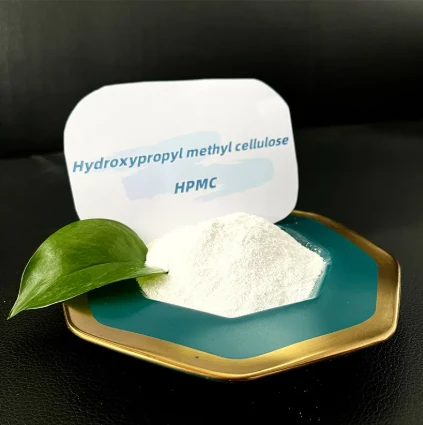
Hydroxypropyl Methylcellulose (HPMC) has emerged as a versatile and essential ingredient in the food industry, transforming the way food products are developed and enhancing their quality. Employed namely for its exceptional emulsifying, thickening, and gelling abilities, HPMC continues to gain recognition among food scientists and manufacturers for its innovative applications. With its origin traced back to cellulose, HPMC is produced through the chemical modification of this natural component, ensuring it remains non-toxic and safe for consumption. This synthetic polymer exhibits a high-water retention quality and forms a gel when dissolved in cold water, which makes it optimal for a multitude of food applications. In bakery products, HPMC assumes a critical role in improving dough properties, retaining moisture during baking, and extending the shelf life of finished products. Its ability to reduce the retrogradation of starch ensures that baked goods maintain freshness longer than they typically might, which is highly beneficial for both bakeries and consumers. The addition of HPMC in gluten-free recipes is a game-changer, as it compensates for the loss of gluten, providing structure and elasticity to dough, thus enhancing the texture and appeal of gluten-free bread and pastries. Furthermore, HPMC’s role in creating emulsions makes it indispensable in the production of sauces, dressings, and gravies. Its stabilizing properties prevent the separation of oil and water, ensuring a consistent texture and appearance. Food scientists have noted its effectiveness in low-fat and low-calorie products, where fat content reduction is desired. Here, HPMC enhances mouthfeel and mimics the creaminess of full-fat counterparts without compromising taste or satisfaction, aligning perfectly with the growing demand for healthier food options. In the dairy industry, HPMC is utilized to improve viscosity and stabilize dairy products such as yogurt and ice cream. It helps in maintaining the form and consistency, particularly in reduced-fat versions, by preventing ice crystal formation which can detract from the smoothness typically desired in ice cream. By promoting even distribution of particles and maintaining the suspension of other ingredients, HPMC ensures consistency throughout the product's shelf life. hpmc in food Snack foods benefit from HPMC's film-forming properties, which are leveraged to create barriers that prevent moisture gain and oil migration, preserving crunchiness and flavor. This attribute is particularly advantageous in products such as fried snacks and cereals, where a prolonged crispiness is a key quality attribute sought by consumers. The burgeoning plant-based food sector has also recognized the utility of HPMC. As an emulsifier, binder, and stabilizer, HPMC enhances the coherency and mouthfeel of plant-based meat and dairy alternatives. It helps mimic the juicy texture and structure of animal-derived products, often missing in plant-based options, thereby raising their appeal to a broader audience. However, the incorporation of HPMC into food products is not merely functional; it's also regulated by stringent safety standards. The Food and Drug Administration (FDA) along with the European Food Safety Authority (EFSA) have approved HPMC as a safe food additive, which reassures both manufacturers and consumers regarding its use. Innovation and sustainability also find their intersection with HPMC, as its cellulose base derives from plant fibers, positioning it as an environmentally friendly option in food production. This sustainability angle aligns with global movements towards reducing environmental impact, elevating HPMC's status not just as a synthetic enhancer but as a responsible choice within product formulations. As food technology advances, the importance of HPMC in food products only becomes more pronounced . Its adaptability and multifaceted benefits make it a cornerstone in developing not only tasty but also stable and healthy food options. For food manufacturers aiming to stay ahead in the competitive market, understanding and utilizing HPMC’s full potential is indispensable.
advantages
-

200000 Viscosities
Excellent product
We can produce pure products up to 200,000 viscosities
-

40000 tons
High yield
We don’t stop production all year round, and the annual output can reach 40,000 tons
-

24 hours
Quality service
We provide 24-hours online reception service, welcome to consult at any time
———— Inquiry Form
Schedule A services
-
 fiberglass_reinforced_polypropylene
Oct . 25, 2025
Hydroxypropyl Methyl Cellulose (HPMC) has gained a solid reputation in various industries due to its -
 hydroxypropyl_starch_phosphate_for_skin
Oct . 25, 2025
Hydroxypropyl Methylcellulose, commonly referred to as HPMC, is a multi-faceted cellulose-based poly -
 polvo_de_latex_redispersable
Oct . 25, 2025
The Significance of Nylon Fiber in Modern Textiles Nylon fiber, first introduced in the 1930s, revol


